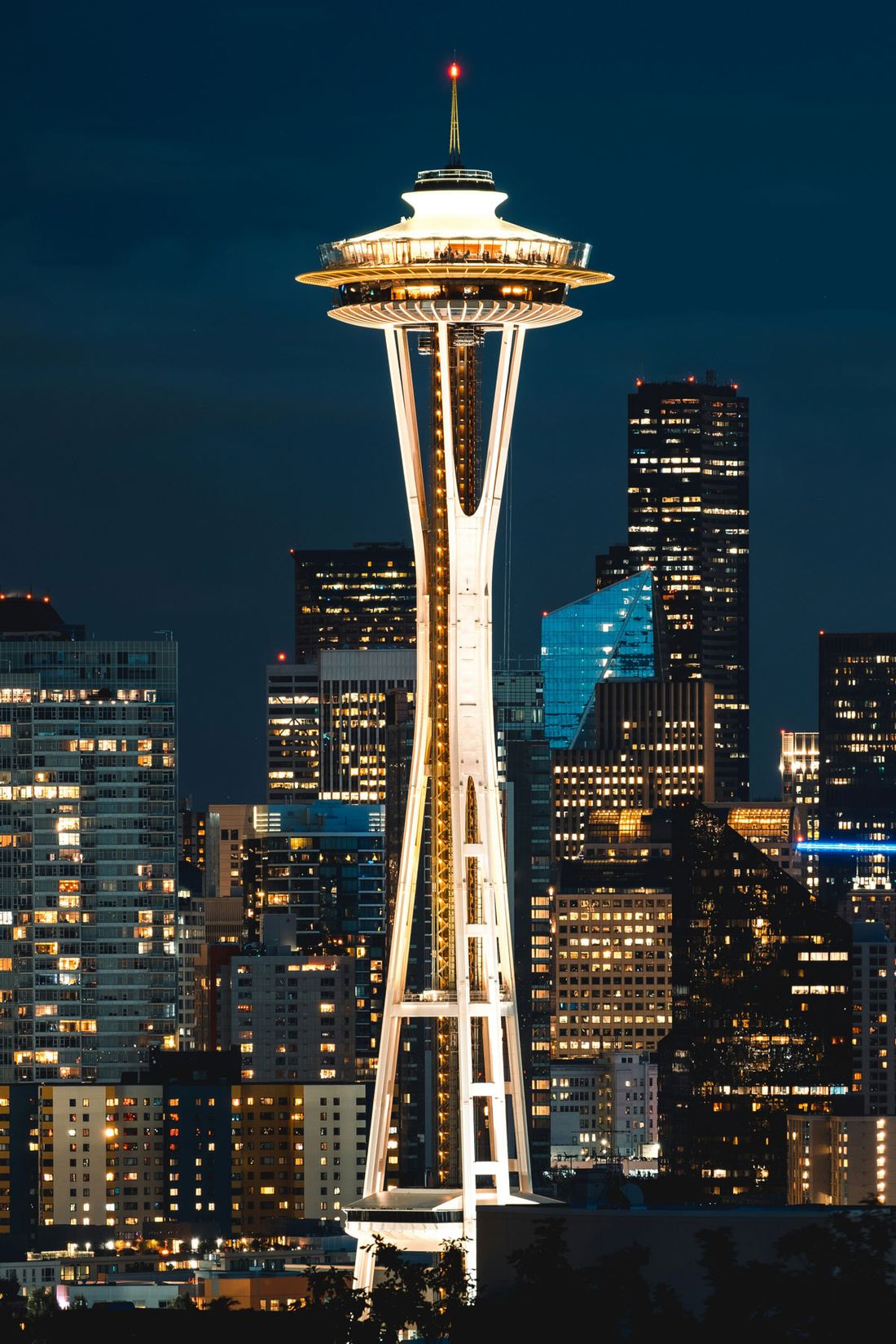


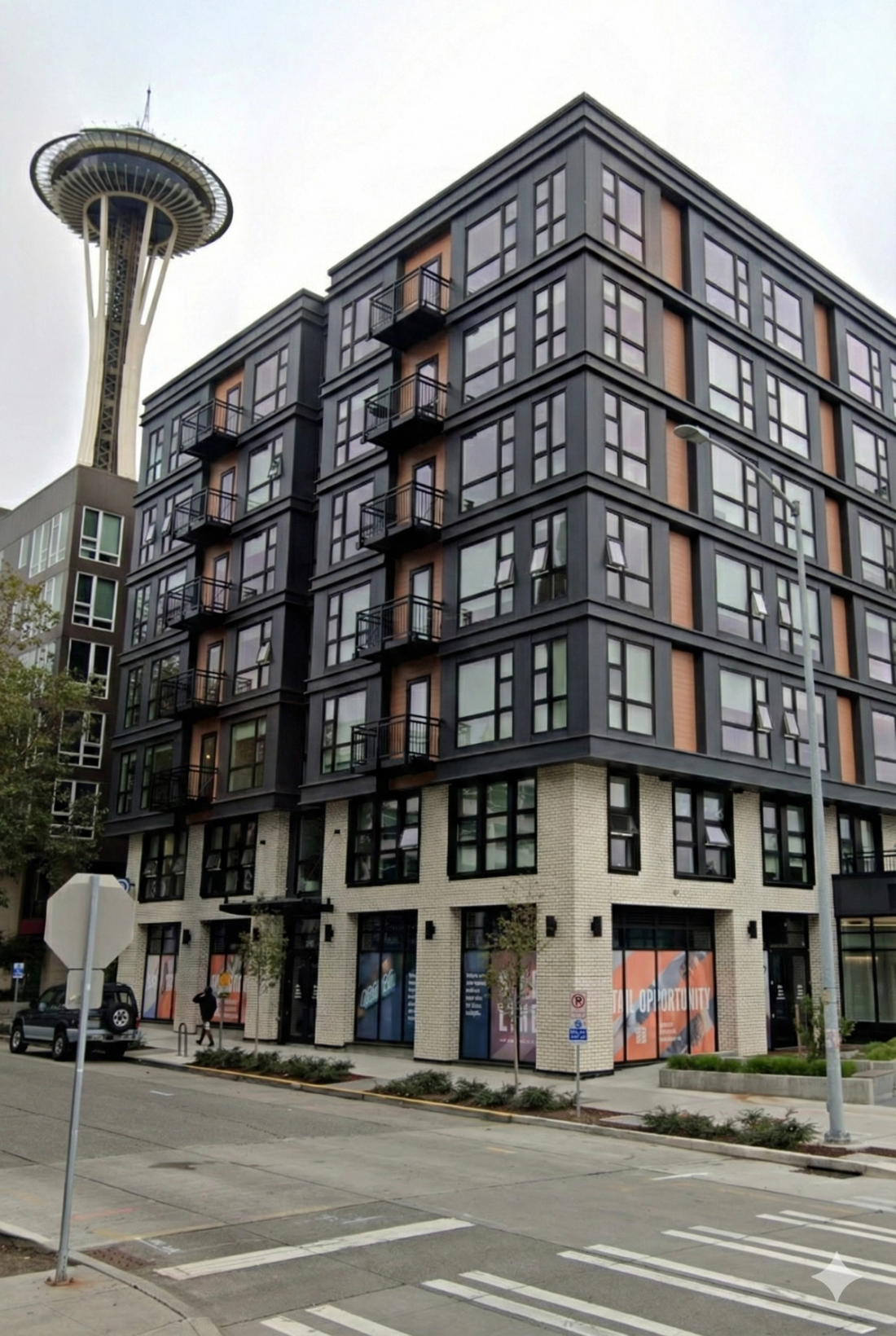

The Space Needle is an icon of the Pacific Northwest, but its 29,000 sq ft administrative building was facing a major connectivity crisis. Despite being located in the heart of downtown Seattle, the building had effectively zero usable cellular signal inside. Staff members were unable to make calls or access data, creating a significant bottleneck for daily operations and communication.
The primary culprit was the building’s construction. Like many secure and sturdy structures, the dense building materials acted as a Faraday cage, completely blocking cellular signals from penetrating the exterior walls. While outdoor signal strength was decent, none of it could reach the people working inside.
To make matters worse, the building’s location presented a unique technical challenge known as "pilot pollution" or high interference. Because the office is situated in a dense urban environment, it is bombarded by signals from a high number of surrounding macro cell towers. While this might sound like a good thing, these signals often clash, creating a high "noise floor" that requires careful management.
The poor coverage was more than just an annoyance; it was a business liability. The lack of connectivity disrupted the staff’s ability to conduct business, coordinate logistics, and manage the high-volume tourism and hospitality operations that the Space Needle is known for. They needed a solution that could punch through the building materials and filter out the urban interference.


After a comprehensive site survey and RF analysis, the project was handed to the Waveform Commercial team. Specializing in design and deployment for commercial buildings up to 150,000 sq ft, the team designed a custom Cel-Fi Passive DAS (Distributed Antenna System) tailored specifically to the building's challenging RF environment. The Cel-Fi GO G43 was the ideal choice because it features patented technology making it the only signal booster able to reach 100 dB of gain while staying within FCC rules.
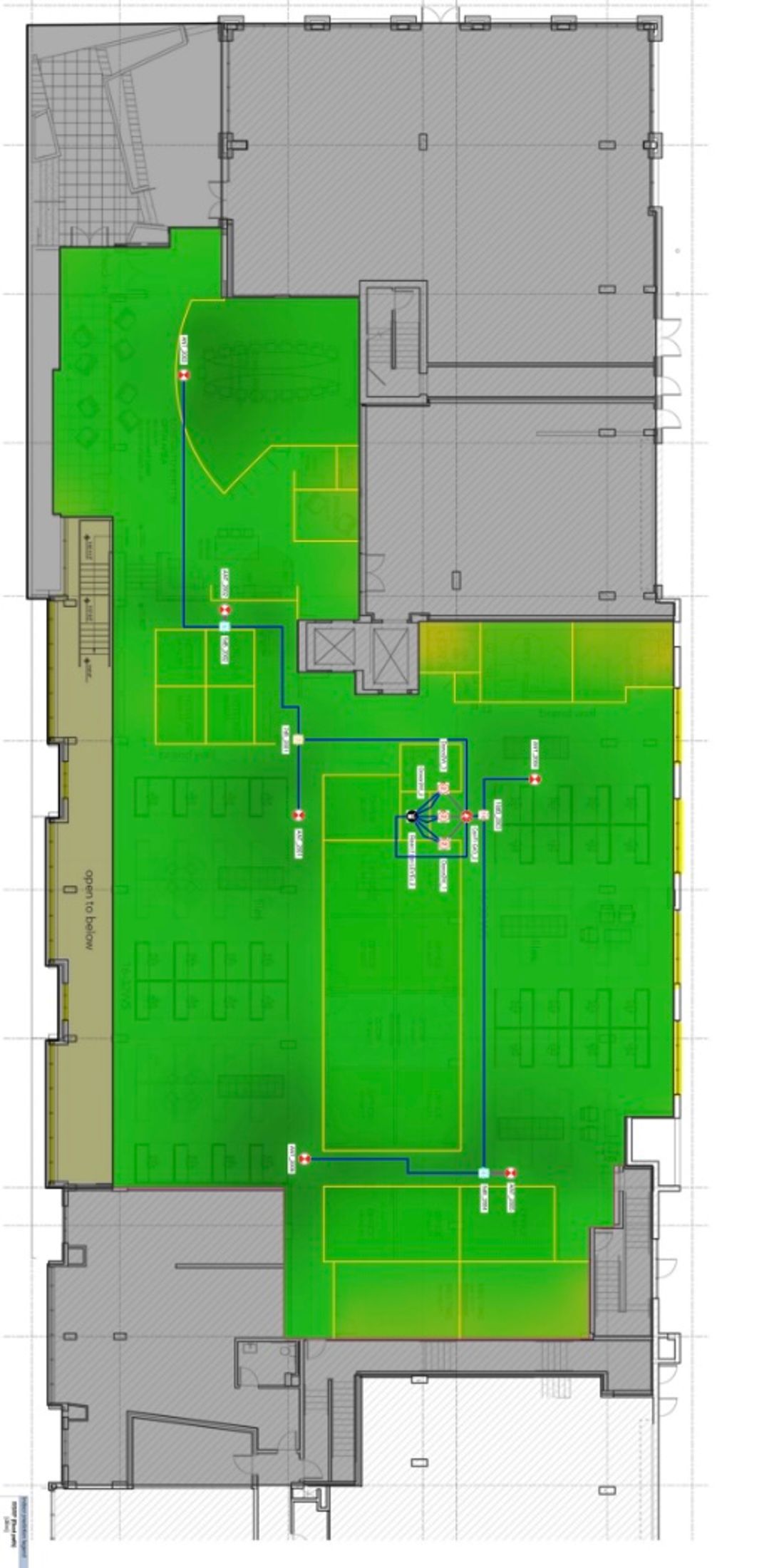
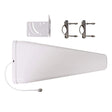
To address the interference issues from the downtown macro towers, our design utilized three separate off-air donor antennas mounted on the roof. By using individual antennas for T-Mobile, AT&T, and Verizon, we were able to directionally target the best specific tower for each carrier. This allowed us to capture the cleanest possible donor signal while rejecting noise from other nearby cells.
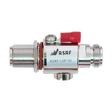
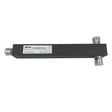
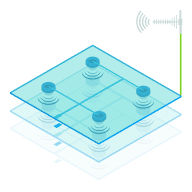
Inside the building, this clean signal was fed into the Cel-Fi system, which amplified it digitally. The signal was then distributed via a passive network of internal antennas strategically placed throughout the 29,000 sq ft office space. This ensured that every corner of the floor plan received strong, reliable coverage without the dead zones that had previously plagued the staff.
Crucially, the system was designed with the future in mind. The chosen hardware is fully 5G-ready, meaning the Space Needle’s connectivity won't become obsolete as carriers upgrade their networks. The infrastructure was also built to be scalable, allowing for easy expansion into other parts of the building if the client’s needs change in the future.


The transformation was immediate. As soon as the system was brought online, the administrative building went from a dead zone to a hub of connectivity. Staff members on all three major carriers now experience high-quality voice and data speeds at their desks, in conference rooms, and throughout the common areas.
The technical hurdles of the site were successfully overcome. The three-antenna donor design proved highly effective at mitigating the interference from the downtown Seattle environment. By feeding the DAS with high SINR (Signal-to-Interference-plus-Noise Ratio) quality signal, the system provides a stable connection that doesn't fluctuate or drop during peak usage times.
From an operational standpoint, the disruption to business has been eliminated. The staff can now rely on their mobile devices for critical communications, allowing the team to focus on managing one of the world’s busiest tourist attractions rather than searching for a signal.
Finally, the Space Needle now owns a system that is an asset rather than a band-aid. The 5G-ready architecture ensures that they will enjoy these speeds for years to come, and the scalable design means the system can grow alongside their operations. The solution delivered not just signal, but peace of mind.

We believe that no one DAS technology is right for every application. There are no silver bullets.
Instead, we carefully select the right technology for the specific signal conditions and requirements of your building.
DAS is the only thing we do.
We act as your domain expert and advocates. We help you get your questions answered, and guide you to the best solution for your unique needs.
Projects succeed when they’re planned carefully. We take our client’s trust seriously, ensuring that projects are delivered on time and on budget.
At every stage, we’ll keep every stakeholder, including you, in the loop. You’ll never wonder what’s happening next.